
Dynamic Air Quality Solutions with UV-C
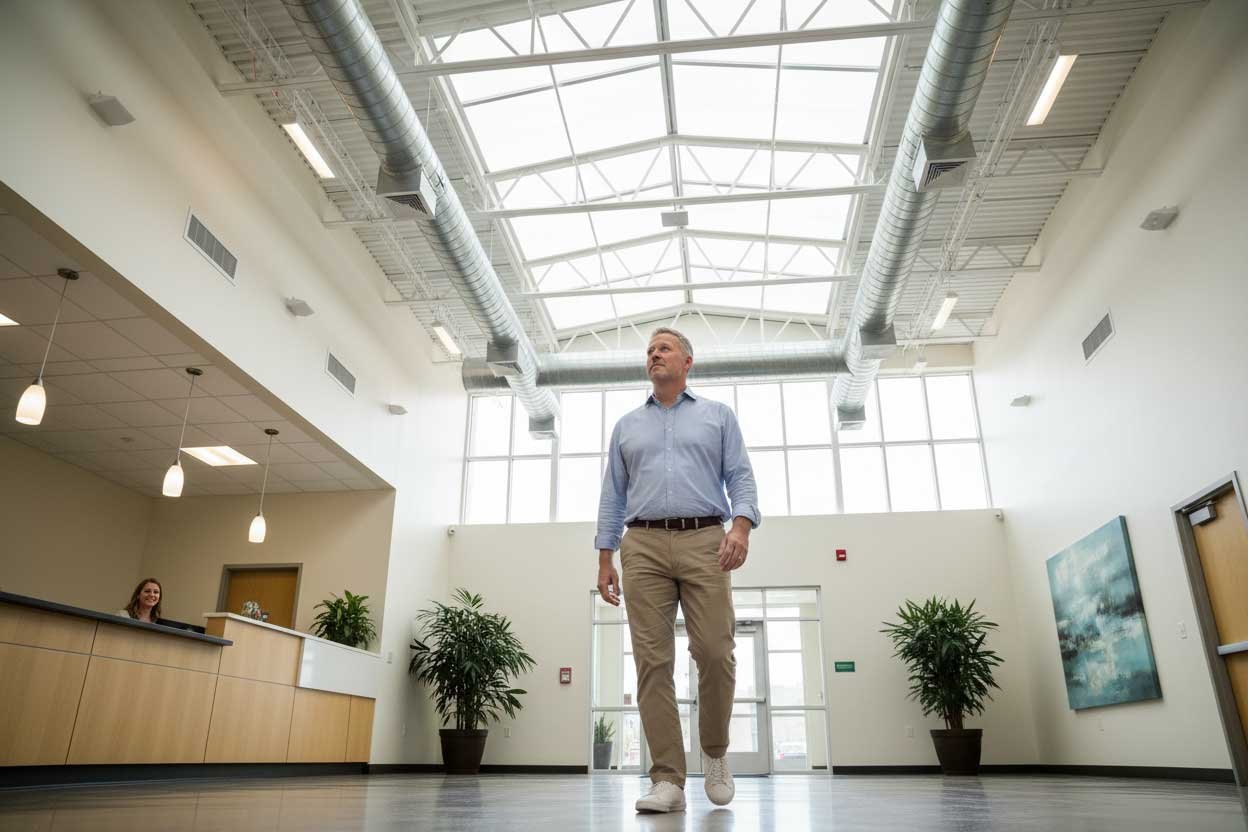
Dynamic air quality solutions use real-time sensing, improved ventilation, filtration, and UV-C support to help buildings stay comfortable and healthier throughout the day. These systems adjust to actual indoor conditions so air remains clear and consistent even when occupancy shifts.
The article explains how dynamic strategies work in schools, assisted living communities, public offices, and other facilities. Read on to learn more.
Key Takeaways
Here’s a brief overview of the following article:
What Dynamic Air Quality Solutions Are: Dynamic air quality solutions use real-time sensing and automated controls to maintain indoor spaces that are balanced, clean, and consistently comfortable throughout the day.
Why Buildings Need These Systems: Indoor air can quickly become heavy or stale as occupancy shifts. A dynamic system adjusts airflow, filtration, and purification based on the actual conditions inside each room.
Key Technologies That Strengthen Performance: Tools such as sensors, smart ventilation, advanced filtration, and UV-C purification work together to support healthier indoor environments and reduce airborne risks.
Benefits for Schools, Assisted Living, and Public Spaces: Dynamic systems stabilize comfort, improve cleanliness, and help reduce illness cycles in high-traffic settings, providing reassurance for families, staff, and visitors.
How Safe Air UV Supports Facilities: Safe Air UV designs UV-C and integrated air quality solutions that fit each building’s needs and verifies performance through a monitored trial period.
Contact Safe Air UV today to schedule your assessment and explore trial eligibility.
When Indoor Air Begins to Shape Daily Experience
Liam walked into the community center at seven in the morning and sensed the same problem he had been fighting for months. The classrooms felt heavy. The air felt still. Parents had begun to mention constant sniffles, and staff turnover had climbed.
He sat in his office, staring at the maintenance team's reports. Everything looked acceptable on paper, yet the building never felt quite right. He knew the center needed dynamic air-quality solutions. He needed a system that could understand the building in real time and respond before anyone even noticed an issue.
At first, he assumed the HVAC system only needed a tune-up. Most facility operators think the same thing. By the third week, he realized the building had changed while the equipment had stayed entirely static.
That moment of recognition is becoming familiar across schools, assisted living communities, public offices, and almost every place where people gather. Air quality is no longer a quiet background concern. It influences trust, safety, comfort, staff reliability, and operational stability. When a building breathes well, people feel it. When it does not, they feel that too.
Why Buildings Need Dynamic Air Quality Solutions Now
People walk into a room and often know something is off long before they can describe it. The air feels heavy. The space feels still. Comfort fades in a way that puts quiet pressure on everyone using the building.
Homeowners and facility teams feel this strain because they want an environment that remains steady and predictable. They want comfort that holds throughout the day. They also want a system that handles the work for them.
This is the value of dynamic air quality solutions, which read live indoor conditions and guide the environment back to balance with minimal effort from the user.
From Static HVAC to Responsive Environments
Older HVAC systems follow rigid routines that do not align with how people use buildings today. They push the same airflow in a quiet room as they do in a crowded one. They also struggle when outdoor conditions shift. This leads to spaces that feel stale or uneven.
Dynamic air quality solutions change this experience by gathering information from indoor sensors that monitor carbon dioxide, particulates, and other indicators of indoor comfort. The system interprets these signals and adjusts ventilation, purification, and air movement with smooth and continuous control.
Homeowners and facility leaders feel the difference because the space responds before problems build. Smart layers, such as dynamic air quality solutions and UV light, strengthen this process and work in the background to maintain a healthier indoor environment.
Health, Risk Management, and Operational Pressure
Indoor air quality affects how people feel and how effectively they move through each day. Families notice when bedrooms or living areas feel closed in. Teachers and administrators see the effect of stale air in classrooms.
Care teams in assisted living communities understand how sensitive indoor conditions can be, especially for older adults. A building that feels clean and refreshed builds confidence and encourages people to stay comfortable in the space.
Tools such as dynamic air quality solutions UV help facility teams and homeowners maintain that confidence because they add a steady and reliable layer of protection that reduces stress and supports everyday health.
What Makes an Air Quality Strategy Dynamic
A true dynamic strategy feels alive inside the building. It pays attention to the way people move, the way the air shifts, and the way comfort rises and falls throughout the day. It gathers information and uses that information to guide the entire indoor environment toward balance.
This is the point where dynamic air quality solutions begin to stand apart from traditional HVAC routines, because they treat the building as a changing space instead of a static structure.
Real Time Sensing and Feedback Loops
The heart of dynamic air quality solutions is constant observation. Sensors inside the building track carbon dioxide levels along with particulates, volatile organic compounds, and shifts in humidity. Each reading tells the system something about the way the space is being used.
The system reads these signals and passes them to the controls. This forms a steady feedback loop that helps the equipment respond with accuracy while keeping the indoor environment clear and comfortable.
Homeowners and facility teams appreciate this because the adjustments happen quietly in the background and the space stays pleasant without repeated manual changes.
Adaptive Responses That Match Real Indoor Conditions
A dynamic strategy adjusts airflow and purification based on the actual needs of the room. It increases ventilation when a space becomes busy. It guides purification when indoor activity raises particulate levels. It eases airflow once conditions settle.
This creates a smooth and even sense of comfort that people can feel throughout the day. It also keeps the system efficient because the equipment runs with a purpose instead of following a rigid schedule.
This calm and steady response supports long-term comfort in a way that older systems cannot achieve.
Integration With Building Automation Systems
Dynamic indoor air quality improves when it operates within a broader control framework. When the sensors and purification tools exchange information with the building automation platform, the entire structure can respond as one coordinated system.
This creates a sense of stability that homeowners and facility teams appreciate. The equipment becomes easier to manage because every adjustment comes from clear information instead of guesswork.
This also makes it simple to blend layers such as dynamic air quality solutions and UV light into the overall plan in a way that improves consistency and indoor cleanliness.
Core Components of Dynamic Air Quality Solutions
A dynamic strategy becomes reliable when each component supports the others. Ventilation, filtration, purification, and indoor comfort controls work together to keep the building steady.
Every layer responds to the conditions inside the space. This creates a healthier indoor environment and reduces the strain on homeowners and facility operators who want predictable comfort.
Smart Ventilation Management
Smart ventilation is one of the most important elements in a dynamic system. The equipment reads the level of activity inside the building and provides the right amount of fresh air.
It increases ventilation when rooms fill and maintains a gentle baseline during quiet hours. This creates a balanced environment that feels natural.
Homeowners enjoy this because the system maintains fresh air without unnecessary energy use.
Advanced Filtration Combined With UV-C Purification
Filtration and UV-C work together to maintain a clean airstream. Filters capture particles that move through the ducts. UV C provides an additional layer of protection by treating surfaces and air inside the HVAC equipment.
This combination is part of a modern approach to indoor air quality. It helps the building stay clear and reduces the presence of unwanted contaminants inside the air handling pathway.
Tools such as dynamic air quality solutions UV work well in these settings because they support a steady and predictable indoor environment.
Humidity and Temperature as Tools for Comfort and Health
Indoor comfort depends on more than airflow. Humidity plays a large part in the way people feel inside a home or facility. When humidity stays in a healthy range, the air feels smoother and more comfortable.
Temperature also plays a part in this balance. A dynamic system monitors these conditions and gently adjusts to preserve comfort consistently. This helps the building remain pleasant throughout the day without dramatic swings in sensation.
How UV Light Strengthens Dynamic Air Quality Strategies
Maya stood in the doorway of her third-grade classroom and sensed a familiar heaviness in the air. The windows were closed to keep the room warm, the heater had been running all morning, and twenty children had spent the past hour reading aloud in small groups.
The room looked clean, yet the air felt tired. Maya felt this same shift every afternoon. The ventilation system never changed its pace, even when the room became crowded.
Once her district installed UV-C as part of a dynamic air quality plan, she noticed something different. The room stayed clearer throughout the day, and the late-afternoon heaviness faded into a steady sense of comfort that her students felt as well.
UV-C technology provides a steady layer of support within a dynamic air quality plan. It works within equipment and occupied spaces to maintain cleaner indoor air without adding stress on homeowners or facility teams.
As the rest of the system reads and responds to indoor conditions, UV C strengthens the overall strategy by consistently and reliably treating the air.
UV C and Other UV Wavelengths
UV C is different from UV A and UV B because it sits in a range that interacts directly with microorganisms. This is why UV-C has been used for many years in hospitals and commercial buildings.
It continues to perform well in modern systems because it supports indoor cleanliness without requiring extra steps from the user.
A study showed that the combination of filtration and UV-C led to a 55% reduction in total suspended particulate concentration and a 47% reduction in viable airborne bacteria during a 25-day test period.
In Duct and In AHU UV C for Coils and Airstreams
UV C performs well inside air handling units and ductwork because it treats coil surfaces and protects the airstream before it enters the occupied space. This keeps the equipment cleaner and helps the building maintain a steady level of indoor comfort.
A study published in MDPI found that UV-C reduced airborne bacterial colony-forming units by more than 70% in test environments and shortened the time to reach a 90% reduction in pollutant concentration to as little as 7 minutes.
Upper Room and EDU Options for Occupied Spaces
Upper room UV and portable EDU units provide an active layer of support in busy spaces such as living rooms, classrooms, and waiting areas. These tools treat the air while the room is in use.
They work quietly in the background and create a sense of assurance for people who move through the space each day.
This approach fits well inside a dynamic strategy because it increases the level of protection without creating extra complexity for the user.
Matching Dynamic Air Quality Solutions to Different Facilities
Every facility moves through the day with its own rhythm. Some buildings are filled with children who move quickly from one space to another. Others care for older adults who rely on steady comfort and predictable airflow.
Some welcome entire communities during gatherings, services, or daily operations. Dynamic air quality solutions work best when they are tailored to the unique needs of these environments.
A well-matched system brings balance to each setting and supports the people who rely on it.
Schools and Daycares
Schools experience constant movement. Morning classes create one pattern. Lunch periods create another. Afternoons carry a very different pace as students return from recess or shift between classrooms.
Daycares feel even more active because very young children breathe more rapidly and move in ways that stir the air. A dynamic system supports these patterns by adjusting ventilation and purification as conditions change.
This stabilises the air throughout the day and helps reduce the cycle of seasonal illnesses that often move through young populations.
Parents feel more confident when they know the air remains clear and classrooms stay comfortable. Teachers experience less strain because the environment remains steady even during the busiest hours.
Assisted Living and Healthcare Adjacent Facilities
Assisted living facilities require dependable indoor air because residents are often more sensitive to changes in comfort. Humidity, temperature, and air cleanliness play a large role in daily well-being.
A dynamic system reads these changes and adjusts gently to maintain balance throughout the day. Dynamic air quality solutions UV support these settings by treating the air inside the equipment in a consistent way that helps maintain cleanliness.
Administrators appreciate this approach because it provides a high level of protection without creating unnecessary cost. Staff members also feel supported because the indoor environment remains predictable and easier to manage.
Offices, Public Buildings, and Worship Spaces
These buildings support broad communities and experience long periods of activity. Offices depend on stable indoor conditions to keep employees focused. Public buildings welcome visitors with a steady flow of movement.
Worship spaces carry emotional significance and require a setting that feels peaceful and secure. Dynamic systems help these environments remain comfortable by adjusting airflow based on occupancy and indoor activity.
This creates a stable atmosphere that invites trust and allows people to feel at ease in the space.
Implementation Roadmap for Facility Teams
A dynamic approach becomes stronger when facility teams follow a clear and thoughtful path. A smooth plan guides each team from the first assessment to long-term optimisation.
This creates a foundation that supports consistent performance from dynamic air quality solutions.
Step One: Assessment and Baseline Measurement
Every successful plan begins with a detailed understanding of the building. An indoor air quality review reveals the true condition of each space.
Carbon dioxide readings show how occupancy affects freshness. Particulate levels highlight how well filtration is performing. Humidity and temperature patterns show where comfort tends to rise or fall.
A walkthrough of the HVAC system brings clarity to the mechanical side of the building. This information creates a reliable baseline that helps teams understand how to move forward.
Step Two: Phased Upgrades and Quick Wins
A phased approach helps facilities improve without disruption. Teams often start with the rooms that experience the most activity. Ventilation can be enhanced in these areas.
UV C can be added inside the air handling units to support cleaner coil surfaces. EDU units can be placed in rooms where people gather for long periods.
Filtration can be upgraded when airflow supports it. These improvements produce visible benefits quickly. The building begins to feel fresher and more stable, which encourages continued progress.
Step Three: Ongoing Monitoring and Optimisation
A dynamic system continues to improve when it receives steady attention. Indoor sensors provide ongoing insight into how the building behaves throughout the week.
Seasonal tune-ups help the system maintain peak performance. UV-C equipment receives periodic inspection and cleaning.
Ventilation schedules are reviewed and adjusted based on data instead of guesswork. This careful stewardship maintains the building’s comfort and protects the value of the initial upgrades.
How Safe Air UV Delivers Dynamic Air Quality Solutions
Safe Air UV creates indoor air plans that feel complete. Each solution blends ventilation, filtration, UV-C, and modern control strategies into a unified approach. This allows the building to operate as a coordinated system instead of a collection of individual parts.
Designing UV-C Inside a Dynamic System
UV C performs best when it becomes part of the overall design. Safe Air UV reviews the building layout and HVAC equipment. Our team maps out airflow patterns and identifies the areas that will benefit most from UV-C.
They select the right equipment and integrate it into the larger strategy. This provides the building with a steady, reliable foundation and eliminates the need for constant staff intervention.
Sector Specific Configurations and Procurement Support
Safe Air UV supports a wide range of facilities. Schools require one style of solution. Assisted living communities require another. Government offices, worship spaces, and corrections environments all have their own needs.
We help each user choose the correct configuration and navigate procurement requirements with ease. When incentives or support programs are in place, the team assists with access. This creates a smoother experience and lowers the stress often associated with large facility projects.
30 Day Trial With Performance Verification and Continued Support
Safe Air UV offers a 30-day trial period for facilities that want clear evidence of improvement. The process begins with baseline measurement. Equipment is installed and operated under real conditions.
Our team returns to measure performance after the trial and presents the results clearly and concisely. Ongoing support keeps the system running smoothly and ensures that the dynamic plan continues to perform at a high level.
Experience UV C Protection Risk Free in Your Facility
Safe Air UV understands that facility leaders need certainty before moving forward with any major improvement.
During the trial, our team uses professional monitoring tools to track changes in indoor conditions. Baseline readings are taken before installation.
These measurements are compared with results taken after the equipment has been operating in the building. This provides precise, objective data on the improvements achieved during the trial period.
Our team will guide you through every step and provide a clear plan that supports your building with confidence.
You can reach out today to request your assessment and find out whether your facility qualifies for this trial opportunity.
FAQs About Dynamic Air Quality Solutions
Below are supportive insights designed to help you understand how tools like dynamic air quality solutions UV strengthen comfort and safety in everyday spaces.
How do dynamic air quality systems compare to traditional HVAC upgrades in long-term cost and performance?
Dynamic air quality solutions perform better over time because they react to real conditions instead of fixed schedules. They often lower operating costs by reducing waste and keeping comfort stable, especially when supported by dynamic air quality solutions, UV for cleaner airflow.
Can UV-C air purification operate safely in buildings with high daily occupancy?
UV-C can operate safely when installed correctly because it works inside equipment or controlled upper-room zones. Many facilities rely on dynamic air quality solutions, UV light to keep air cleaner without exposing people to direct UV-C energy during daily use.
What sensors are most important for maintaining real-time indoor air quality accuracy?
Sensors that track carbon dioxide, particulates, and humidity create the best picture of indoor comfort. They guide dynamic air quality solutions by helping the system adjust airflow and purification before occupants notice changes in clarity or freshness.
How often should UV-C lamps or modules be replaced in a commercial air quality system?
Most UV-C lamps last about a year before output declines. Replacing them on schedule keeps dynamic air quality solutions UV effective, ensuring the system maintains steady protection and predictable performance throughout the building.
Do dynamic air quality solutions reduce energy use compared to fixed ventilation schedules?
Dynamic air quality solutions often reduce energy use because they increase airflow only when the building needs it. This targeted approach avoids constant over-ventilation and works well with UV-C layers for efficient purification.
Can dynamic air quality systems integrate with older HVAC units without full system replacement?
In many buildings, dynamic air quality solutions can be added to older HVAC units through sensors, controls, and dynamic air quality solutions UV components. This allows meaningful improvement without replacing major equipment, which helps teams manage cost and complexity.