Why EMS Departments Are Switching from Chemical to UV Disinfection
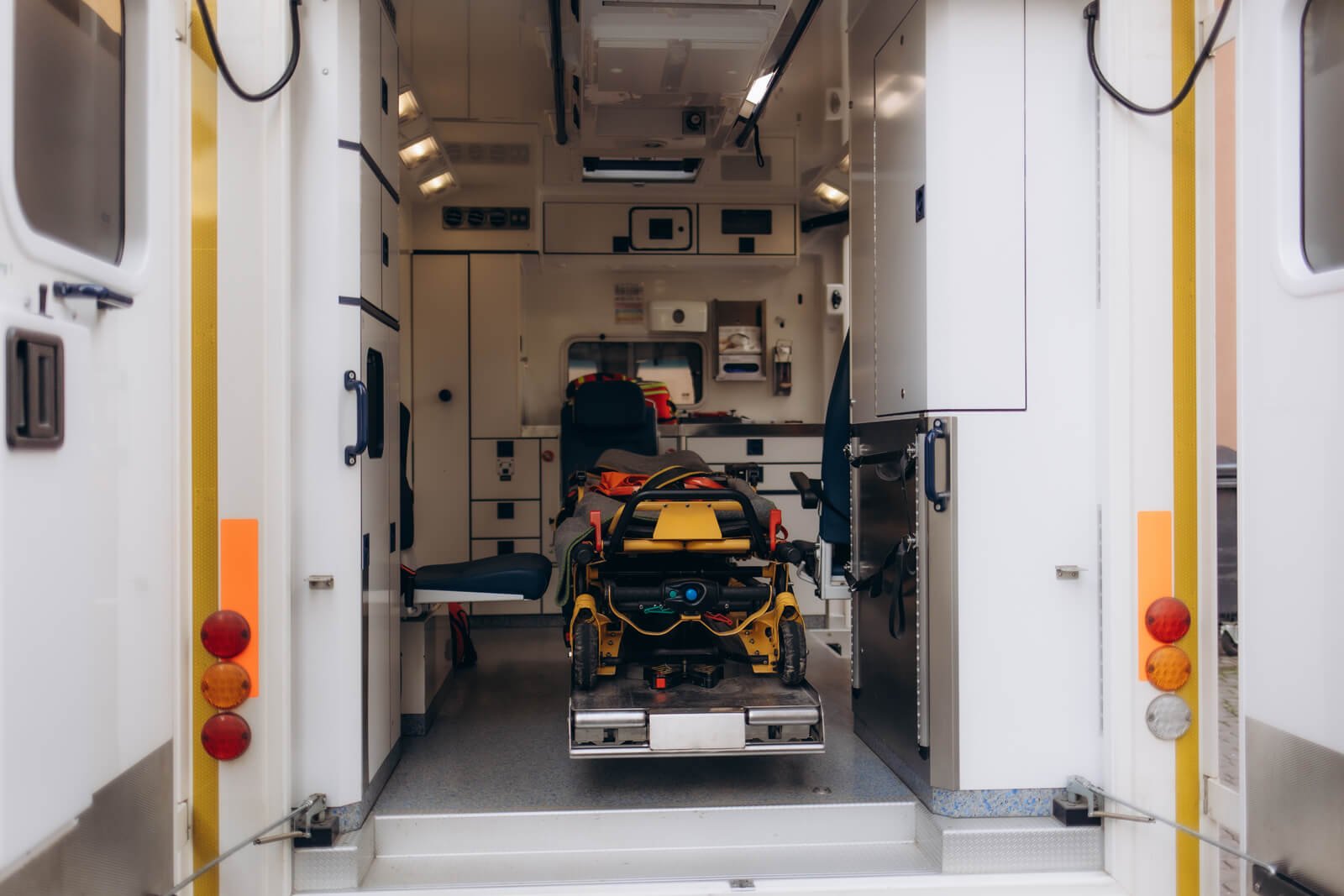
Chemical disinfection has been the standard protocol for ambulance cleaning for decades. Most EMS departments run variations of the same routine between calls: wipe down surfaces with bleach-based solutions, wait for the required dwell time, ventilate the cabin, and hope the unit is ready before the next dispatch.
The process works on paper. In practice, it creates problems that most directors recognize but have learned to accept as part of operations. Rigs sit out of service during busy hours. Crews rush through protocols when call volume spikes. Equipment develops film buildup from repeated chemical exposure. Similar challenges affect indoor environments across different sectors, and EMS operations face particularly acute versions of these issues.
That calculation is changing. EMS departments across the country are switching to UV disinfection systems, not because the technology is new but because the operational realities have shifted. The problems with chemical protocols have become too costly to ignore, and UV technology has matured into a practical alternative that addresses those problems directly.
Key Takeaways
Here is a brief overview of the following article:
Chemical Disinfection Limitations: Standard bleach protocols require 10-15 minutes of dwell time, reducing rig availability during peak hours and creating crew exposure to harsh chemicals.
UV Technology Advantages: UV systems disinfect ambulance cabins in 5-10 minutes with no dwell time, no chemical residue, and immediate return to service.
Why the Shift Happens Now: Vendor reliability has improved, budget pressures intensify ROI focus, and technology has evolved to meet EMS-specific operational requirements.
Implementation Considerations: Departments evaluate fleet size, call volume, budget structure, and physical space constraints when selecting between portable and mounted UV systems.
Layered Approach Required: UV disinfection works best as part of comprehensive infection control that includes physical cleaning for visible contamination and UV treatment for pathogen reduction.
Contact us today to learn how UV disinfection integrates into EMS operations.
The Hidden Costs of Chemical Disinfection Protocols
Chemical disinfection carries costs that extend beyond the price of cleaning supplies. The most immediate impact shows up in rig availability during peak call periods.
Standard bleach protocols require 10 to 15 minutes of contact time for proper surface disinfection. During that period, the ambulance cannot respond to calls. For departments running limited fleets, one unit out of service for cleaning can mean delayed response times when another emergency comes in.
Crews often compress these timelines under pressure. A 10-minute protocol becomes 5 minutes when dispatch calls again. The shortcuts create inconsistent disinfection and expose both crews and future patients to unnecessary risk.
Chemical exposure adds another layer of concern. Paramedics spend extended periods in enclosed spaces that have been recently treated with harsh disinfectants. The Centers for Disease Control and Prevention notes that healthcare workers, including EMS personnel, face occupational exposure to cleaning chemicals that can affect respiratory health over time.
Equipment degradation from repeated chemical exposure shows up in maintenance budgets. Monitors, defibrillators, and other sensitive equipment develop residue buildup that requires additional cleaning or early replacement. Vehicle interiors experience accelerated wear from constant chemical contact.
Supply chain reliability has become an additional concern. Chemical disinfectant availability fluctuated significantly during recent public health challenges. Departments that relied on specific products faced shortages that disrupted established protocols.
How UV Disinfection Changes Operational Reality
UV disinfection systems treat ambulance interiors using germicidal light instead of chemical solutions. The technology works through a different mechanism that addresses many of the operational constraints EMS departments face with traditional methods.
A portable UV unit placed in the patient compartment treats high-touch surfaces in approximately 60 seconds. Full-cabin disinfection cycles run between 5 and 10 minutes. Unlike chemical protocols, UV treatment requires no dwell time after the cycle completes. Crews can return to service immediately.
The process eliminates chemical exposure for both personnel and patients. No residue remains on surfaces or equipment after treatment. Ventilation time drops to zero because there are no fumes to clear from the cabin.
UV systems integrate into existing turnaround workflows without adding complexity. Crews place the unit or activate the mounted system, exit the vehicle, and the treatment runs automatically. Safety switches prevent operation when doors open, removing the risk of accidental exposure.
Maintenance demands remain minimal. Quality UV systems use bulbs rated for approximately 9,000 hours of operation. For most departments, this translates to roughly one year of continuous use before replacement. No chemical inventory management. No disposal concerns. No supply chain dependencies for cleaning products.
The consistency advantage matters for departments focused on infection control. UV treatment delivers the same disinfection performance on every cycle. The effectiveness does not depend on how thoroughly a surface was wiped or whether proper dwell time was observed.
Why the Shift Is Happening Now
Three factors have converged to accelerate UV adoption in EMS operations. The first involves vendor reliability. Many UV companies that entered the market during peak public health concerns have since disappeared or become difficult to reach. The vendors that remained developed track records and demonstrated long-term commitment to the sector.
Departments that delayed UV implementation due to vendor uncertainty now see established manufacturers with decades of experience in germicidal UV technology. The risk profile has shifted from evaluating unproven companies to selecting among credible options.
Budget pressures have intensified the ROI calculation. Overtime costs from staff shortages make every sick day expensive. Chemical supply costs continue rising. HVAC maintenance expenses from poor air quality add up over time. UV systems that seemed like luxury investments now present clear financial advantages when compared against the total cost of chemical protocols.
The technology itself has evolved to meet EMS-specific requirements. Early UV systems were designed for stationary applications like hospital rooms. Modern units account for vehicle-specific challenges such as limited mounting space, 12-volt power requirements, and durability standards for mobile environments.
Public expectations have changed as well. Patients and their families increasingly ask about ambulance disinfection protocols. Departments that can demonstrate advanced infection control measures gain credibility in their communities. UV disinfection provides a visible, science-based answer to those questions.
What EMS Directors Consider Before Switching
The decision to transition from chemical to UV disinfection involves several practical considerations. The first centers on fleet composition and call volume. Departments running high-volume operations see faster returns from reduced turnaround times. Lower-volume services benefit more from consistency and reduced chemical exposure over time.
Physical space in the ambulance matters for equipment selection. Portable units offer flexibility to move between vehicles but require storage when not in use. Flush-mounted systems integrate permanently into specific rigs and operate with one-button simplicity.
Budget structures influence implementation timelines. Some departments phase in UV systems one vehicle at a time as budget allows. Others pursue fleet-wide implementation to standardize protocols across all units. Both approaches work depending on financial planning cycles and operational priorities.
Training requirements remain straightforward but still require attention. Crews need to understand proper UV safety protocols, correct equipment placement, and appropriate cycle times for different disinfection needs. Most departments complete training in a single session.
Existing chemical protocols do not disappear entirely. UV disinfection handles air and surface treatment effectively but does not replace all cleaning requirements. Visible debris still requires physical removal before UV treatment. The systems work best as part of a layered infection control approach rather than a complete replacement for all cleaning activities.
Moving Toward Cleaner and More Efficient Operations
The transition from chemical to UV disinfection represents more than a simple equipment change. It reflects a broader shift in how EMS departments approach infection control, operational efficiency, and crew safety.
Chemical protocols served their purpose for many years. They provided a known method for surface disinfection that departments could standardize and train. The limitations were accepted because better alternatives did not exist or were not accessible.
UV technology removes those limitations without introducing new operational complexity. The systems work faster, expose crews to fewer occupational hazards, and deliver consistent results regardless of volume pressure or staff experience levels.
The departments making this transition now are not taking experimental risks. They are implementing proven technology that has decades of use in healthcare settings and has been adapted specifically for EMS operational requirements.
If your department is evaluating disinfection alternatives, the practical next step involves understanding how UV systems would integrate into your specific operational context. Fleet size, call volume, budget structure, and existing protocols all influence implementation decisions.
Contact Safe Air UV at 615-933-1882 to discuss how UV disinfection would work within your department's operational requirements. The conversation focuses on your specific challenges and whether UV technology addresses them effectively.
Frequently Asked Questions About UV Disinfection for EMS
Does UV disinfection completely replace chemical cleaning in ambulances?
UV disinfection handles airborne and surface pathogens effectively but does not remove visible debris or bodily fluids. Departments still need standard cleaning protocols for gross contamination. UV systems work best as part of a layered infection control approach that combines physical cleaning for visible soiling with UV treatment for pathogen reduction on surfaces and in the air.
How long does a typical UV disinfection cycle take between EMS calls?
High-touch surface treatment with portable units takes approximately 60 seconds. Full-cabin disinfection cycles run between 5 and 10 minutes depending on the specific protocol and equipment used. Unlike chemical protocols, UV treatment requires no additional dwell time or ventilation period after the cycle completes. Crews can return to service immediately when the treatment finishes.
What safety measures prevent crew exposure to UV light during treatment?
Quality UV systems include automatic safety switches that shut down the unit when doors open or when motion is detected inside the treatment area. Crews activate the system, exit the vehicle, and the unit operates automatically. The systems will not run if anyone remains in the treatment space. These safety features make accidental exposure effectively impossible during normal operations.
How often do UV bulbs need replacement in EMS applications?
Most commercial-grade UV bulbs are rated for approximately 9,000 hours of continuous operation. For typical EMS usage patterns, this translates to roughly one year before replacement becomes necessary. The replacement process takes minutes and does not require specialized tools or technical training. Bulb replacement represents the primary ongoing maintenance requirement for UV systems.
Can UV disinfection work effectively in ambulances with complex equipment layouts?
UV effectiveness depends on line-of-sight exposure between the UV source and surfaces being treated. Portable units can be positioned to optimize coverage based on specific vehicle layouts. Mounted systems are installed with consideration for equipment placement and cabin geometry. Departments working with experienced UV vendors receive guidance on optimal placement strategies for their particular vehicle configurations to ensure comprehensive coverage.