
Winter Indoor Air Quality Challenges: Why Closed Buildings Need Better Air Protection
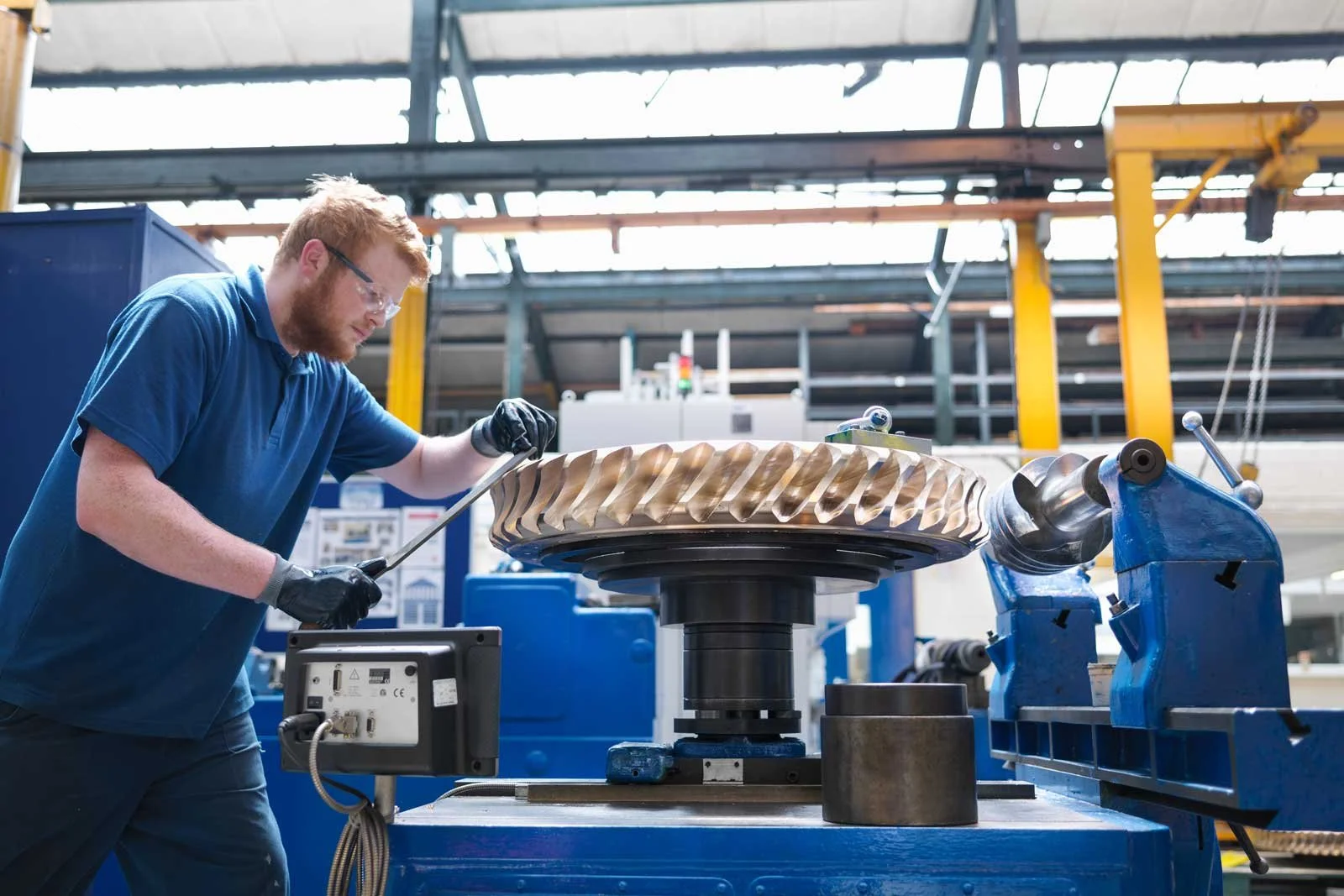
David pulled the collar of his coat tighter as he stepped into the manufacturing facility on a January morning. The air outside bit sharp and clear, but the moment he crossed into the building, he felt the familiar weight of indoor winter air settle around him. The space looked clean. Equipment hummed in predictable patterns. Production schedules stayed on track.
Yet in the break room during the afternoon shift change, he noticed what he'd been noticing all month. More people rubbing their eyes. More tissues on desks. More empty chairs as workers called in sick. The operations manager had mentioned overtime costs climbing again. The building held the same equipment and followed the same cleaning routines as it did in summer, but something about winter changed the way air moved through these spaces.
David had started wondering whether the answer to mounting sick days and rising operational costs might have less to do with surface cleaning and more to do with what circulated invisibly through every shared breath. Winter forces a specific set of conditions onto indoor environments. When outdoor temperatures drop and windows stay shut for months, buildings develop air quality patterns that differ significantly from warmer seasons. Understanding these patterns helps facility managers protect both occupants and operational budgets through UV-C air purification systems and supporting strategies.
Key Takeaways
Here's a brief overview of the following article:
Why Winter Air Differs: Cold weather forces buildings into closed conditions that persist for months, reducing natural ventilation and allowing pollutants to accumulate in ways that rarely occur during other seasons.
Reduced Ventilation Impact: Windows stay sealed and HVAC systems reduce outdoor air intake to conserve heating energy, which lowers the rate at which fresh air replaces stale indoor air.
Humidity and Pathogen Survival: Winter air often drops below 30% relative humidity, creating conditions where respiratory viruses survive longer and people become more susceptible to infection.
Measurable Operational Effects: Winter air quality problems show up in absence records, productivity metrics, sick day patterns, and comfort complaints that disrupt work.
UV-C Continuous Protection: UV-C air purification systems operate within HVAC equipment to reduce airborne pathogen loads continuously, providing protection when natural ventilation can't help.
Energy-Efficient Solution: UV-C systems consume minimal energy compared to heating additional outdoor air, balancing air quality needs with winter energy conservation.
Strategic Winter Preparation: Installing UV-C systems before winter allows proper setup and testing before peak illness season arrives.
Contact us today to discuss how UV-C can protect your facility during winter months.
Why Winter Creates Unique Indoor Air Quality Challenges
Cold weather forces buildings into a closed state that persists for months. This seasonal shift creates conditions that allow indoor air problems to develop and intensify in ways that rarely occur during other times of the year.
Natural ventilation nearly disappears in winter. Windows that might open during mild weather remain sealed against the cold. Door traffic decreases as people minimize outdoor exposure. Many HVAC systems reduce outdoor air intake to conserve heating energy, which lowers the rate at which fresh air replaces stale indoor air.
The EPA confirms that inadequate ventilation can increase indoor pollutant levels by not bringing in enough outdoor air to dilute emissions from indoor sources. Contaminants that would normally dilute with outdoor air instead remain concentrated in occupied spaces.
This reduction in air exchange creates a simple but persistent problem. Every sneeze, every printed document, every cleaning product application adds material to the indoor air. Without adequate ventilation to carry these pollutants away, concentrations build throughout the day and across multiple days.
Winter air holds less moisture. When buildings heat cold outdoor air, relative humidity inside often drops below 30%. Some facilities experience levels as low as 15-20% during extended cold periods. Research shows that certain respiratory viruses survive longer in low-humidity conditions. Influenza transmission increases when indoor relative humidity falls below 40%. Dry air also irritates respiratory passages, reducing the body's natural defenses against airborne pathogens.
The relationship between humidity and virus survival creates a seasonal advantage for pathogen transmission. Winter humidity levels help viruses remain infectious longer while simultaneously making occupants more susceptible to infection.
The Measurable Impact on Health and Operations
Winter air quality problems produce specific, trackable effects on facility operations. These impacts show up in absence records, productivity metrics, and maintenance costs.
Respiratory infections increase during winter months. The CDC notes that preventive actions become especially important during flu season when community transmission rises. Common colds, RSV, and other respiratory viruses follow similar seasonal curves.
Schools notice the pattern in attendance records. Manufacturing facilities see it in staffing shortages and overtime costs that climb as illness moves through production teams. Office buildings track it through sick leave requests that cluster in winter months. These patterns reflect the combined effect of reduced ventilation, favorable humidity conditions for viruses, and extended exposure to shared indoor air.
Poor winter air quality produces complaints that facility managers hear repeatedly. Dry, scratchy throats. Headaches that develop mid-afternoon. Eyes that feel tired or irritated. A general sense of stuffiness that makes concentration harder.
These symptoms don't always indicate illness. They often reflect the cumulative effect of low humidity, elevated carbon dioxide from reduced ventilation, and exposure to volatile compounds that concentrate in closed spaces. The symptoms disrupt work without necessarily causing absence, creating a productivity cost that's harder to measure but still significant.
How UV-C Air Purification Addresses Winter-Specific Challenges
UV-C technology operates continuously within HVAC systems to reduce airborne pathogen loads. This capability becomes particularly valuable during winter months when natural ventilation can't provide its usual support.
UV-C light at 254 nanometers disrupts the DNA and RNA of bacteria, viruses, and mold spores. When properly installed in HVAC systems, UV-C fixtures expose circulating air to germicidal irradiation multiple times per hour. This continuous treatment reduces pathogen concentrations in the air supply.
Unlike filtration alone, which captures particles but leaves viruses and bacteria alive on filter media, UV-C inactivates microorganisms so they cannot reproduce or cause infection. The technology works without adding chemicals, producing byproducts, or requiring occupants to change their normal activities.
When outdoor air exchange rates drop in winter, germicidal UV systems provide an alternative method of maintaining air quality. Rather than relying solely on dilution with fresh air, UV-C reduces the microbial load in the air that continues circulating through the building.
In-duct UV-C systems integrate with existing HVAC infrastructure without requiring ductwork modifications. The fixtures mount in locations where they can treat the full airstream, providing facility-wide protection through the central air system.
UV-C systems consume minimal energy compared to the cost of heating additional outdoor air. A typical in-duct UV system draws less power than a standard light bulb while treating thousands of cubic feet of air per minute. This efficiency matters during winter when heating costs peak. Rather than increasing outdoor air intake and the associated heating load, facilities can maintain lower ventilation rates while using UV-C to control airborne pathogens. The approach balances air quality needs with energy conservation.
Practical Winter Indoor Air Quality Strategies
Effective winter air quality management combines multiple approaches. UV-C provides the foundation for pathogen control, but supporting practices help optimize overall indoor conditions.
Target relative humidity between 40-60% during winter months. This range reduces virus survival time while preventing the excess moisture that encourages mold growth. Many facilities benefit from adding humidification to their HVAC systems during cold weather.
Simple hygrometers placed in occupied spaces provide ongoing monitoring. When humidity drops below 35%, respiratory comfort decreases and pathogen survival increases. When it rises above 60%, condensation risks and mold potential grow. Regular monitoring allows quick adjustments.
Closed winter conditions load filters faster than open-window seasons. Check and replace filters more frequently during winter months. A filter that normally lasts three months might need replacement after six weeks when buildings run sealed. Clogged filters restrict airflow and reduce system efficiency. They also allow particles to bypass the filter media, sending unfiltered air into occupied spaces. Regular winter filter changes prevent these problems.
Brief periods of increased outdoor air intake during milder winter days help flush accumulated indoor pollutants. When outdoor temperatures rise above freezing, consider temporarily increasing ventilation rates or opening windows in unoccupied areas during non-peak hours. These ventilation breaks work best in the afternoon when outdoor temperatures peak. Even 15-30 minutes of enhanced air exchange can reduce accumulated carbon dioxide and refresh indoor conditions without excessive heating costs.
Winter Air Quality Considerations for Specific Facilities
Different building types face unique winter air quality challenges based on their occupancy patterns and ventilation capabilities.
Schools experience particularly acute winter air quality issues. Classrooms filled with students create high occupancy density in spaces that often lack adequate ventilation. When illness spreads through one classroom, it typically moves to others as students share hallways, cafeterias, and buses. The pattern affects not just student attendance but also teaching continuity as staff members fall ill.
Healthcare facilities and assisted living communities face elevated risk during winter months. Residents with compromised immune systems depend on clean air for basic health protection. Respiratory infections that cause mild discomfort in healthy adults can lead to serious complications in vulnerable populations. Winter's reduced ventilation increases transmission risk precisely when these facilities need the strongest protection.
Government buildings, offices, and other commercial spaces see productivity impacts that translate directly to operational costs. When multiple staff members call in sick simultaneously, remaining workers absorb additional workload. Projects delay. Meetings reschedule. The disruption extends beyond individual sick days to affect team coordination and deadline management.
Ready to Protect Your Facility This Winter?
Winter air quality challenges affect every closed building, but you don't have to accept seasonal illness patterns and productivity losses as inevitable. UV-C air purification provides continuous protection that works alongside your existing HVAC system to reduce airborne pathogens when natural ventilation can't help.
Your facility deserves air quality solutions that address the specific conditions winter creates. Safe Air UV guides facilities through evaluation, installation, and ongoing support for UV-C systems designed to protect occupants during the most challenging months of the year.
Installing UV-C systems before winter allows proper setup and testing before peak illness season arrives. The technology integrates with existing HVAC equipment, providing facility-wide protection through your central air system without requiring occupants to change their normal activities.
Qualified businesses can experience this protection firsthand through a risk-free 30-day trial that demonstrates UV-C performance under actual operating conditions. The trial includes before and after surface testing to show measurable pathogen reduction in your environment.
Contact Safe Air UV at 615-933-1882 to discuss your winter air quality needs and explore UV-C solutions that fit your facility.
FAQs About Winter Indoor Air Quality
Why does indoor air quality get worse in winter even though buildings look clean?
Surface cleanliness doesn't determine air quality. Winter forces buildings to operate with minimal outdoor air exchange, which allows airborne pollutants, moisture, and pathogens to accumulate even when visible surfaces appear spotless. The air itself holds contaminants that cleaning routines don't address.
Can opening windows help winter air quality, or does that just waste heat?
Brief window opening during milder winter days provides ventilation benefits without extreme heating costs. The key is strategic timing: open windows for 15-30 minutes during the warmest part of the day when outdoor temperatures rise above freezing. This approach flushes stale air while minimizing the heating penalty that comes from continuous cold air intake.
How does UV-C work when it's installed in the HVAC system?
In-duct UV-C systems mount inside air handlers or main supply ducts where they expose circulating air to germicidal ultraviolet light. As air passes the UV lamps, the 254-nanometer wavelength disrupts microbial DNA and RNA, preventing reproduction. The system treats air continuously as it circulates, providing facility-wide protection.
What humidity level should buildings maintain during winter months?
Target 40-60% relative humidity. This range reduces respiratory virus survival time while preventing the condensation and mold problems that occur above 60%. Most buildings need active humidification during winter to maintain these levels, as heating cold outdoor air naturally produces very low humidity.
When should facilities install UV-C systems for winter protection?
Early autumn provides the best installation timing. This allows systems to operate and prove their effectiveness before peak winter illness season arrives. Installation typically takes a few hours for standard HVAC configurations, with immediate operation once the system powers on.