
Air Quality Solutions for Modern Buildings
Air quality solutions help buildings maintain steady indoor comfort by combining clean air technology, UV-C support, and practical upgrades that reduce airborne load in real conditions.
This article explains which strategies work, where traditional methods fall short, and how facility teams can build a balanced plan that feels predictable and easy to maintain.
Key Takeaways
Here is a brief overview of the following article:
The Purpose of Air Quality Solutions: These solutions support healthier buildings by improving airflow, reducing indoor pollutants, and creating more stable comfort for occupants.
Main Causes of Indoor Air Problems: Issues often stem from stagnant air, outdated HVAC routines, inconsistent ventilation, and microbial activity that filtration alone cannot manage.
How Balanced Systems Work: A reliable plan includes ventilation, filtration, purification, humidity control, and temperature stability so the building performs well throughout the day.
Role of UV-C Technology: UV-C supports cleaner coils and cleaner airstreams and strengthens clean air technology used in schools, offices, and senior care environments.
How Safe Air UV Helps Facilities: We provide assessments, targeted UV-C upgrades, and measurable results that improve comfort and reliability in real conditions.
Contact Safe Air UV to schedule a consultation and explore solutions that support cleaner air in your building.
Air Quality Solutions for Facilities That Need Measurable Performance
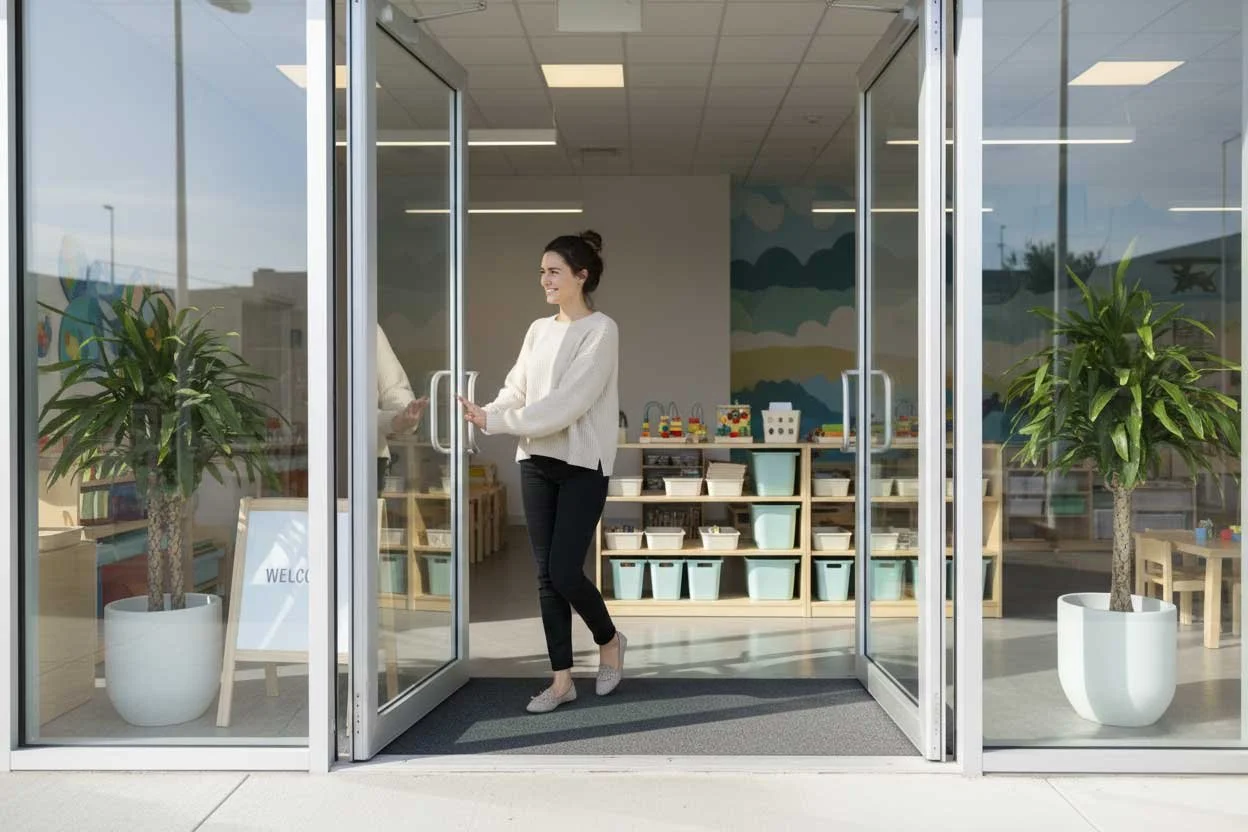
Clara unlocked the doors of the small learning center before sunrise. The rooms were spotless. Floors polished. Toys stacked neatly. Yet the air felt dull the moment she walked in. It carried the same faint heaviness she noticed all week. Staff kept mentioning tiredness by midday.
Parents asked why certain classrooms smelled more strongly than others. Everything looked clean, but something still felt off.
Many facility teams turn to dynamic air quality solutions when a space appears healthy yet continues to produce small but persistent complaints. Filters are replaced on time. HVAC checks are completed. The building should feel fresh.
Instead, the air seems sluggish, and the environment never fully settles. These signals often reveal deeper issues in circulation and indoor behavior that routine maintenance alone cannot resolve.
This article explains why these problems occur and how a more complete approach can restore comfort and stability.
Why Indoor Air Problems Persist Even With Standard HVAC
Many buildings that look clean and well-maintained still experience air quality issues. Routine HVAC maintenance and filter changes give a sense of control. Yet occupants often report fatigue, odors, and stuffy air. These signs usually point to gaps that standard HVAC alone cannot close.
The Limitations of Routine Filtration
Filters in HVAC systems help catch particles such as dust or pollen. They do not reliably remove microbial contaminants or prevent air stagnation. Research shows that filter media, even after hours of operation, can harbour bacteria and mold spores.
Because microbes can survive and even grow on used filters, the air circulating through the system can carry those microbes back into occupied spaces.
Many facility teams assume that changing filters solves all air quality problems. That assumption overlooks the fact that filtration alone does not address microbial growth nor ensure proper air circulation.
Buildings That Feel Clean but Breathe Poorly
Shifts in occupancy, such as children arriving for class or residents gathering in a common room, can dramatically change air demand. If HVAC systems run on rigid schedules rather than actual use, some spaces can suffer from air stagnation. Without proper ventilation or air movement, “clean” rooms may still trap stale air and pollutants.
Older or fixed-schedule HVAC equipment often fails to adapt to real-time changes in usage. In such conditions, airflow patterns remain inadequate to refresh indoor air consistently.
When Indoor Complaints Begin to Impact Operations
Subtle air problems can grow into visible operational concerns. Staff may begin to complain about persistent tiredness or headaches. Odor pockets may settle in corridors or common rooms. In schools or daycare centers, some children fall ill more often. In eldercare or assisted living facilities, respiratory complaints may rise.
Families and visitors may lose confidence when complaints persist without a clear cause. Administrators may struggle to explain the problem because surfaces are clean and HVAC maintenance records are up to date.
These patterns reveal that even well-maintained HVAC systems can leave buildings vulnerable. Standard filtration and scheduled maintenance may help with dust and large particulates. They rarely address microbial load, air stagnation, occupancy-driven fluctuations, or the real dynamics of indoor air use.
The Foundation of Strong Air Quality Solutions
Indoor air quality becomes far more stable when building teams understand what truly creates balance inside a space. A reliable plan focuses on how air is cleaned, how it moves, and how it stays consistent throughout the day.
This foundation supports stronger long-term performance and helps buildings remain healthier for staff and visitors.
Understanding What Makes Air Quality Balanced
Balanced air quality blends ventilation, filtration, purification, humidity control, and steady temperature. These elements work as a group rather than isolated parts. Real stability appears when each one supports the next.
For example, proper ventilation helps dilution. Proper filtration supports cleaner circulation. Purification supports microbial reduction. Humidity and temperature influence comfort and biological activity.
Facilities that aim to maximize one area while ignoring others rarely achieve predictable results. Balance strengthens every environmental decision.
Clean Air Technology as the New Baseline
Modern facilities increasingly rely on clean air technology to support everyday air stability. Sensors in occupied spaces can identify rises in carbon dioxide or particulate matter. These readings help the HVAC system guide fresh air intake, adjust airflow, or increase circulation.
A 2025 cross-building study of hospitals in naturally and mechanically ventilated facilities found that adding air purification and cleaning technologies reduced indoor particulate concentrations by as much as 90 percent under some conditions relative to outdoor or untreated baseline levels.
Real-time data reduces the need for guesswork and encourages proactive environmental care rather than responses based on occupant complaints.
Air Pollution Control Methods That Strengthen Indoor Stability
Many facilities use an assortment of air pollution control methods. Mechanical methods include filtration and ventilation. Biological control includes technologies that interact with microbes so they lose the ability to remain active.
Mechanical methods support immediate particle control while biological methods support cleaner airflow over time. When combined in a layered plan, they help spaces maintain consistent comfort across changing conditions.
Ventilation and Air Movement Strategies That Create Predictable Comfort
Marcus, the operations manager of a busy community center, walked through the gym each morning and noticed a faint mustiness that returned after every group class. The building passed every inspection and looked perfectly maintained. Yet the air still felt unsettled.
Safe Air UV completed an airflow review that revealed a circulation pattern created by the placement of large equipment and evening crowd activity. The discovery helped Marcus understand why the issue kept returning and showed him how a targeted UV-C plan could stabilize the environment.
Ventilation supports predictable indoor comfort when it responds to actual building use. The goal is to guide air movement so the entire space benefits from consistent circulation.
Smart Ventilation That Responds to Real Use
Smart ventilation responds to occupancy rather than fixed schedules. Carbon dioxide readings help identify rising occupancy loads. Particulate data helps identify stagnant air or changing indoor behavior.
When the system receives clear signals, it adjusts ventilation so the space feels fresher. Fresh air alone does not solve every air quality problem. Without proper circulation, it can settle in certain areas and leave other areas stagnant. Balanced ventilation ensures the entire room receives clean, refreshed air.
Controlling Airflow Patterns to Reduce Cross Contamination
Predictable airflow patterns help limit the spread of indoor contaminants. Directional airflow can move clean air toward frequently occupied zones and guide used air away from them. Stagnation zones form when air lingers in corners or rooms with irregular movement.
Classrooms, resident rooms, and meeting spaces all develop unique airflow patterns because of furniture placement and human activity. Proper adjustment helps each room behave more predictably, so people experience consistent comfort.
Where Mechanical Upgrades Make the Most Impact
Mechanical improvements, such as economizers or variable air volume adjustments, can enhance an existing HVAC system. Older equipment can often support meaningful improvements when evaluated by an experienced technician.
These updates help the system respond to building use rather than fixed routines. Even modest upgrades can strengthen circulation and support cleaner indoor conditions.
Filtration and Purification as a Combined System
Strong indoor air quality depends on how well filtration and purification support each other. These two processes guide airflow, improve cleanliness, and create a more predictable environment for people. Facilities that combine them experience steadier comfort and cleaner circulation throughout the day.
High Value Filter Improvements Without Sacrificing Airflow
Many facility teams believe that a larger or denser filter will fix air quality problems. Larger filters can create pressure that an existing blower cannot support. Excess resistance can weaken airflow and reduce the system’s ability to move clean air into occupied rooms.
The best results appear when filter strength matches blower capacity. This match gives the building cleaner air without creating strain on the equipment. As reported by industry sources, consistent airflow helps maintain more stable indoor conditions in busy environments.
UV C as a Proven Layer for Cleaner Airflow
UV C works as a complementary layer that strengthens clean air technology. It performs a role that filtration cannot achieve alone. Filtration supports particle removal.
UV C supports microbial control. UV C interacts with the DNA or RNA inside microorganisms and reduces their ability to remain active.
This process helps maintain coil hygiene and supports cleaner circulation. Reports from industry sources confirm that coil surfaces exposed to UV-C remain cleaner over time, which helps preserve system performance.
Air Quality Improvement Systems That Support Continuous Protection
Many facilities rely on air quality improvement systems that operate inside the equipment and inside occupied rooms. In duct strategies, treat air as it passes through the HVAC system. Airstream treatment supports cleaner airflow that enters classrooms, offices, or resident rooms.
Supplemental room-level options offer continuous support in areas with high use. These combined approaches create more reliable indoor conditions throughout the day.
Humidity, Temperature, and Their Role in Daily Performance
Humidity and temperature influence how people feel inside a building. Both factors guide comfort and help the indoor environment remain stable. Consistent control supports healthier indoor conditions for visitors and staff.
How Small Swings Affect Comfort and Health
Small changes in humidity or temperature can affect respiratory comfort. Dry conditions can irritate the throat and eyes. High humidity can increase mold pressure during warm seasons.
Staff and visitors often feel fatigue when indoor conditions shift between warm and cool cycles. These changes place stress on the body and can disrupt comfort.
Tools That Keep Indoor Conditions Steady
Sensors can help buildings stay within comfortable ranges. Smart thermostatic controls read indoor conditions and guide equipment adjustments with greater consistency.
Equipment that adjusts in real time helps prevent rapid swings that reduce comfort. These tools support smoother performance throughout the day.
Matching Air Quality Solutions to Real Facility Needs
Every facility operates with different patterns. The right plan considers how people use each space and how the building behaves during busy periods.
Schools and Daycares
Classrooms experience constant movement. Carbon dioxide levels rise quickly when children gather for lessons or indoor play. Seasonal illness patterns also place pressure on indoor conditions. These spaces benefit from plans that respond to rapid changes in use.
Assisted Living and Senior Care
Residents of assisted living often have sensitive respiratory needs. Predictable air quality supports comfort and stability for older adults. Cleaner airflow can reduce environmental stress on residents who spend long periods indoors.
Offices, Public Buildings, and Community Centers
Many visitors remain in these spaces for long periods. Occupancy varies throughout the day, which creates an unpredictable load. People expect a fresh indoor environment when they enter meeting rooms or common areas. Consistent air management supports a welcoming experience.
A Practical Roadmap for Facility Teams
A clear plan helps teams understand what to prioritize and how to strengthen indoor conditions with measurable steps.
Step One: Data-Driven Assessment
A baseline assessment reviews particulate levels, carbon dioxide patterns, humidity ranges, and air temperature. This assessment may also include a review of duct conditions and coil state. These insights reveal how the building behaves during real use.
Step Two: Phased Upgrades for Fast Wins
Teams can focus first on rooms with the highest occupancy. UV C inside the equipment supports cleaner coils and cleaner airflow. Ventilation schedules can be adjusted to support actual use rather than fixed routines. These steps help buildings experience rapid improvements without major renovation.
Step Three: Maintaining Performance Over Time
Seasonal tuning keeps equipment prepared for temperature swings. UV-C lamps require routine replacement to maintain performance. Sensor data can guide refinements that help maintain consistent indoor conditions across the year.
How Safe Air UV Designs Air Quality Solutions
Safe Air UV builds air quality plans that reflect how a building truly behaves. Every recommendation begins with real data, so the engineering team can match the right tool to the right condition. The process focuses on performance that can be measured, repeated, and trusted within occupied spaces.
Assessment Driven Engineering
The team begins with a full review of the building. They study layout, HVAC age, airflow behavior, coil condition, duct pathways, and high-use rooms. Each finding guides the design of the final plan.
UV-C tools are selected according to airflow volume and system capacity, so the technology performs inside the equipment with consistent output. This approach leads to results that support steady comfort during real daily use.
Integrated UV C Support for Cleaner Equipment and Airstreams
UV C protects coil surfaces and supports a cleaner airstream inside the HVAC system. Cleaner coils help the equipment move air more efficiently. This efficiency supports better circulation in classrooms, offices, hallways, and resident rooms.
Airstream treatment then strengthens the quality of the air that reaches occupied zones. Facilities can introduce these tools without replacing existing HVAC equipment because Safe Air UV designs solutions that integrate with a wide range of systems.
Trial Opportunities for Qualified Facilities
Safe Air UV offers a selective trial for buildings that meet the requirements. The process begins with a baseline assessment that documents real indoor conditions. Installation follows this baseline.
After the trial period, teams receive clear data that shows how the environment changed. This method gives administrators proof of performance and a transparent understanding of what worked and what can be improved further.
Experience Air Quality Solutions With Verified Performance
Your staff, visitors, and customers rely on the comfort and safety of your building each day. Cleaner indoor air supports their wellbeing and strengthens the way your facility operates. Safe Air UV helps teams reach this level of stability with solutions designed to perform inside real environments.
You can schedule a free indoor air quality consultation to understand how UV C purification supports cleaner coils and cleaner airstreams. The assessment gives your team a clear picture of current conditions and outlines the steps that can bring your building to a healthier standard.
If you want to strengthen indoor conditions with proven UV-C technology, you can contact Safe Air UV at 615-933-1882 to schedule your initial consultation.
Qualified facilities can participate in a risk-free 30-day trial. This program offers measurable results that show how the environment responds before any long-term decision is made.
You can explore how these solutions support more productive, comfortable, and dependable indoor spaces for every person who enters your building.
FAQs About Modern Air Quality Solutions
Below are answers to common questions that help facility teams understand how cleaner indoor air supports healthier and more comfortable environments.
What is the most effective way to improve indoor air quality in older commercial buildings?
Improvement begins with a full assessment that reveals how the building breathes. Older structures gain the most from balanced ventilation, filtration, and clean air technology that supports steady circulation. This layered approach helps create healthier and more predictable conditions.
How do UV-C air purification systems work inside HVAC equipment during daily operation?
UV C systems treat the air as it moves across the coil and through the equipment. This process supports cleaner airflow by limiting microbial activity and strengthening air quality improvement systems that operate throughout the day.
What types of facilities benefit the most from continuous indoor air quality monitoring?
Facilities with heavy daily use rely on monitoring the most. Schools, clinics, offices, and senior care settings respond well to sensors that guide ventilation and support clean air technology that keeps indoor conditions steady for the people who depend on the space.
How can businesses measure the effectiveness of their current air quality solutions?
Businesses can measure improvement through particulate readings, carbon dioxide patterns, and comfort feedback from staff. These indicators reveal how well air quality improvement systems support daily conditions and help teams understand where adjustments would strengthen results.
What role does ventilation play in reducing airborne contaminants in busy indoor environments?
Ventilation refreshes the indoor environment by replacing stagnant air with cleaner outdoor air. It reduces pollutant concentration and strengthens air pollution control methods that work alongside filtration and purification to support comfort in active spaces.
How do professional air quality assessments identify hidden problems in commercial spaces?
Assessments measure particulate levels, airflow patterns, and indoor behavior during real use. These findings reveal stagnation or humidity concerns and help determine which air quality improvement systems would provide meaningful support for the building.
Can UV C technology help reduce maintenance costs for HVAC systems over time?
UV C supports coil hygiene and steadier airflow, which helps equipment maintain performance with less strain. Cleaner coils can reduce energy use and maintenance needs, which strengthens long-term building health and supports overall clean air technology goals.
What is the difference between surface disinfection and airstream purification inside a commercial HVAC system?
Surface disinfection focuses on contact points. Airstream purification treats the moving air inside the equipment. This continuous process works with air pollution control methods to support cleaner airflow in classrooms, offices, and other shared spaces.